
Top 10 Car Rental Scams and How to Avoid Them in 2026
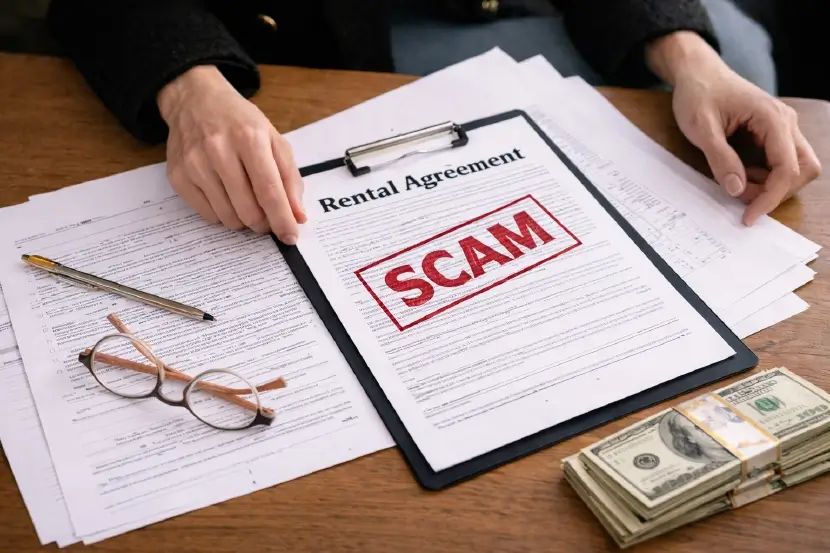
Before you book your next rental, learn how to spot hidden fees, false damage claims, and costly upsells that catch travelers off guard.
Published on: November 18, 2025
Most rental experiences go smoothly, but some companies, and plenty of lesser-known operators, still rely on sneaky tricks to squeeze extra money out of travelers. From phantom damage fees to unnecessary insurance charges, the wrong rental counter can turn a relaxing trip into a financial headache.
The good news? A few smart habits and booking through trusted, transparent platforms can help you steer clear of the worst offenders.
Here are 10 common car rental scams in 2026 and how to avoid every one of them.
The “Mandatory” Insurance Upsell
The Scam:
At pickup, the agent insists you must buy their insurance, or you can't take the car, even if your credit card already covers you.
How to Avoid It:
Do your homework before you arrive. Most major travel cards include a Collision Damage Waiver (CDW), and companies that specialize in rentals like Roamly Insurance offer travel-specific coverage for cars, RVs, and more. Bring proof of coverage and politely decline the upsell.
Booking through reputable sites helps too, they'll easily let you opt out of unnecessary extras during checkout.
The Phantom Damage Claim
The Scam:
Days after returning your rental, you get an email claiming you scratched the bumper or dented the door which was damage that was already there.
How to Avoid It:
Before driving off, take time-stamped photos and a short video of the car from every angle, including the roof and wheels. Do the same at drop-off. Ask a staff member to sign off that the car is damage-free.
Peer-to-peer platforms like Turo make this easy; their apps log inspections with timestamps so disputes are rare.
The Empty-Tank “Fuel Service” Fee
The Scam:
You return the car a few miles short of full, and the company charges you an inflated “fuel service” fee, sometimes $9 or $10 per gallon.
How to Avoid It:
Always refill the tank at a nearby station right before drop-off and keep the receipt just in case. Look for rental listings that clearly state “Full to Full” fuel policies. Transparent providers outline this up front, so you're never surprised later.
Overpriced Toll Pass Programs
The Scam:
You're offered a daily toll pass for $10+ per day, even if you'll only hit one toll road, or none at all.
How to Avoid It:
Research your route ahead of time. If tolls are limited, decline the pass.
Bring your own transponder or pay cash where possible.
Some companies now offer pay-per-use toll systems but usually only worth it only if you're crossing toll zones regularly.
Credit Card Holds That Don't Release
The Scam:
A “temporary hold” of $500 or more appears on your card, and it takes weeks to clear, sometimes after you're home.
How to Avoid It:
Ask about the hold amount and release timeframe before you book.
Major brands disclose their hold policies clearly online.
If you want faster refunds, stick with digital-first platforms that process payments instantly at drop-off.
The “Free Upgrade” That Isn't
The Scam:
At the counter, you're told your vehicle class isn't available, but they can “upgrade” you for a price buried in the fine print.
How to Avoid It:
Confirm the total cost before you agree to any change. If the upgrade isn't free, decline.
Most credible companies list all vehicle categories clearly, so you know what you're getting and paying for up front.
Mileage Limit Surprises
The Scam:
Your “unlimited mileage” rental turns out to have a cap, and every extra mile costs up to $1.
How to Avoid It:
Check mileage limits before booking and screenshot the terms. Confirm whether or not you are really getting the miles that you are paying for.
Extras You Didn't Request
The Scam:
You find charges for GPS units, child seats, or add-ons you never requested. Turns out they are pre-checked boxes buried in your contract.
How to Avoid It:
Read every page of your rental agreement before signing. Cross out or decline any add-ons you didn't authorize.
Most online booking systems show an itemized price breakdown so you can uncheck extras ahead of time.
Refusing Debit or Prepaid Cards at Pickup
The Scam:
This one isn't as common: You book online with a debit or prepaid card, but at pick up the agent says, “credit cards only,” leaving you stranded or forcing you into a higher priced plan.
How to Avoid It:
Always check the company's payment policy before confirming.
Many major brands now accept debit cards with proof of travel itinerary.
If you primarily use debit, filter for “Debit Card Friendly” rentals or book through peer networks which typically accept more payment types.
The Bait and Switch Vehicle
The Scam:
You book a nice sedan or SUV online but arrive to find only compact cars are available.
How to Avoid It:
Ask for confirmation of your exact model or category before arrival.
Stick with companies that guarantee inventory accuracy.
Tips for Booking Safely in 2026
- Use verified platforms: Reputable agencies like Fox, Turo, and other major brands publish transparent policies and real customer reviews.
- Avoid sketchy listings: Skip Craigslist-style ads or social media offers with no insurance or platform protection.
- Check reviews: A quick scan on Google Maps or Trustpilot can reveal red flags instantly.
- Insure smart: Consider a travel policy through Roamly Insurance or confirm your credit card coverage before pickup.
- Use the camera test: A 60-second video at pickup and drop-off is the simplest way to avoid false claims.
FAQs About Car Rental Scams
1. Are car rental scams common?
They're not everywhere, but hidden fees and misleading upgrades still catch travelers off-guard, especially with smaller operators.
2. Can I dispute a false charge?
Yes. Gather photo evidence and dispute through your credit card company. Major networks will side with you if documentation is clear.
3. Are hotel concierge rentals safer?
Not always. Some hotels tack on commission markups or partner with overpriced agencies.
4. Should I use my own insurance?
Absolutely: especially if you have specialty rental insurance like Roamly Insurance, or if your credit card provider happens to cover it for you. Decline redundant insurance.
5. What's the safest way to book?
Use trusted affiliates that provide clear terms and built-in support.
Conclusion: Rent Smart, Drive Safe
Renting a car shouldn't feel like navigating a minefield. With a little preparation like photos, receipts, and smart booking, you can protect yourself from hidden charges and enjoy a hassle-free trip.
Whether you're exploring by compact car, luxury ride, or RV, stick with reputable names and transparent platforms.
Ready to book confidently? Compare options and prices from or major rental companies check out peer-to-peer options through Turo.
Related Travel Guides
- The Ferrari SF90 Stradale: When Engineering Becomes Art
- Unforgettable Views from Above: The Best Helicopter Tours in Vegas, Maui, Catalina & the Grand Canyon
- Why More Travelers Are Taking Their Pets on the Road
- Everything you need to know before chartering your first private jet from arrival timing to onboard etiquette.
- Why Exotic Car Rentals Are the Perfect Fit for Las Vegas
- Why the Right Gear Makes All the Difference on a Road Trip