
Driving the Grand Canyon: Routes, Stops & Travel Tips
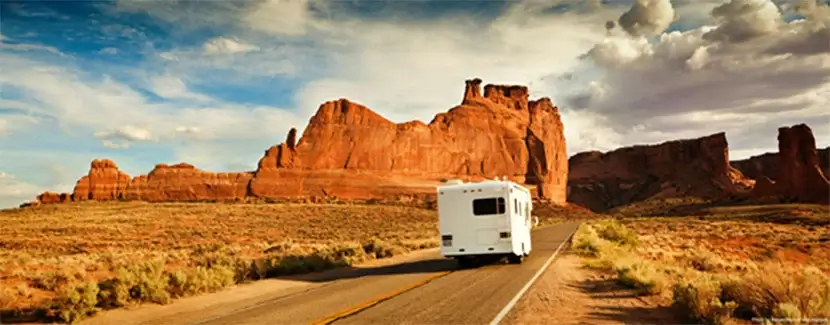
Routes, Stops & Travel Tips
Published on: June 19, 2026
As faded neon signs and whispers of Navajo heritage haunt the iconic Route 66, the earth opens up to reveal billion-year-old secrets. This is the Grand Canyon, and the only way to do it justice is behind the wheel.
This is more than a road trip. It’s a rite of passage, a bucket-list item that deserves thought and planning to ensure you see beyond the crowds and spend less time on logistics and more time on the edge of something extraordinary.
Choosing Your Gateway: Where Do I Start and How Do I Get There?
- From Phoenix and Scottsdale: The most popular starting point for the South Rim, a stunning 3.5-hour drive through the cool pine forests of Flagstaff and high-desert movie-set landscapes.
- From Las Vegas: The startling contrast from neon lights to ancient landscapes is accomplished with a 4-hour drive. Don’t miss a stop at the Hoover Dam along the way. If you'd rather leave the driving to someone else, guided day trips from Las Vegas to the Canyon are also available.
Whether you want the ultimate comfort of an RV home on wheels, to feel the desert winds on your face on a classic cruiser, or just want a modern and reliable SUV with ice-cold air conditioning, your choice of vehicle can be perfectly adapted to your needs.
South Rim vs. North Rim: What’s the Difference?
The South Rim is the Grand Canyon you’ve seen on postcards, in movies, and in travel guides. It’s home to the most iconic viewpoints, like Yavapai Observation Station and Mather Point. It also hosts the purpose-built Grand Canyon Village, with accommodation, hiking trails, and campsites. Open year-round, the South Rim is also where the largest crowds will congregate. Lodging inside and around the park can book up months in advance during peak travel season, so it's wise to reserve accommodations early. And if the views from the rim aren’t enough, a helicopter tour over the canyon offers a perspective no viewpoint on earth can match.
The North Rim is the destination for those seeking solitude and cooler, more forested scenery. It’s more rugged, less developed, and sits around 1,000 feet higher in elevation. As only around 10% of the canyon’s annual visitors come to the North Rim, it’s the natural choice for those seeking a quieter, more personal experience. Please note that the North Rim is open only from mid-May to mid-October due to snow.
If you’re looking at a map and thinking you can visit both the South and North Rims in a single day, think again. While the distance between the rims is only around 10 miles, that 10 miles requires a 4-hour, 220-mile drive.
Must-See Stops Along the Way
Sedona and Oak Creek Canyon
If Phoenix is your starting point, set your rental’s GPS to State Route 89A, pop a fresh SD card into your camera, and experience one of the world’s most beautiful roads. You’ve seen the towering red rock formations your whole life on TV and in magazines. Now you get to drive through them and realize that they are indeed real, not movie sets.
If you're visiting during the warmer months, consider a stop at Slide Rock State Park, where visitors can cool off in a natural water slide formed by the smooth red rocks of Oak Creek. It's one of the most unique and refreshing attractions in the Sedona area and a perfect break from a long day on the road.
Seligman and Route 66
For the ultimate hit of pure Americana, for motels, diners, and malt shops, step back in time and visit Seligman. Rub shoulders with cattle ranchers, truckers, and grab a milkshake from Delgadillo’s Snow Cap in the birthplace of Route 66.
Desert View Drive
Starting close to the Grand Canyon Village, Desert View Drive is a 23-mile section of the SR 64. Driving east along the rim of the canyon, you are treated to a selection of developed viewpoints, picnic areas, and goosebump-inducing scenery. Time your drive to catch the sunset at Desert View Watchtower and watch the shadows reclaim the depths of the canyon as the sky puts on a dazzling display overhead.
Havasu Falls
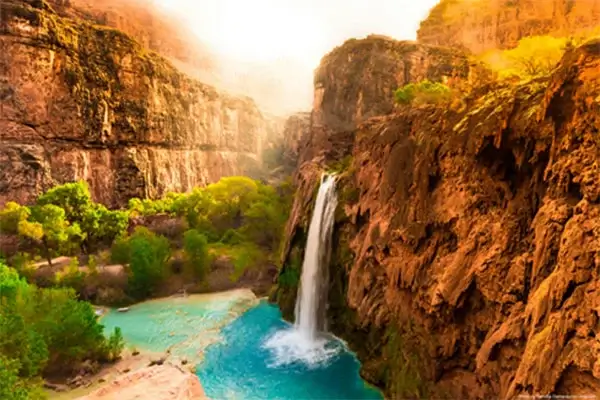
If you have a sense of adventure, strong hiking legs, and the ability to plan your road trip months in advance, add your name to the lottery for a permit to visit the ethereal Havasu Falls. A strenuous 10-mile hike (20 miles round trip) that will require either camping or an overnight stay at the Lodge, as day hiking is forbidden, rewards you with a rare opportunity to visit the sacred and sovereign land of the Havasupai tribe (people of the blue-green water). Turquoise water contrasted against burnt red rock formations provides an almost spiritual experience if you’ve committed enough to put in the work to get access. Various guided hiking and sightseeing tours are available for travelers looking to explore the region with local expertise.
Worth the Detour: Epic Southwest Side Trips
Monument Valley
Remember the scene in Forrest Gump where he’s running through the desert, stops and decides to go home? Recreate that with a trip down Highway 163 and take a piece of movie history home with you. If you want to leave the Highway and explore the deep backcountry, you will need to book a Navajo-guided Jeep tour.
Antelope Canyon
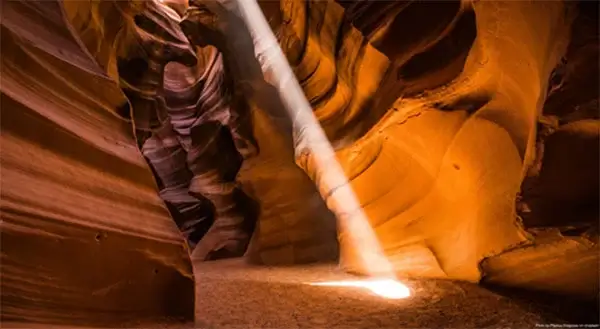
The extraordinary slot canyons of the Navajo Nation's Antelope Canyon require a permit and a guided tour to visit. The effort rewards you as narrow sandstone walls glow orange and red, with shafts of light piercing through from above. It’s one of the most photographed places on earth for good reason
Horseshoe Bend
If the desert heat and lack of facilities don’t faze you, then park up in the lot between mile markers 545 and 544 off Highway 89 and make the short hike (approx 1.5 miles round trip) to Horseshoe Bend. The extraordinary sight of the Colorado River making a Monaco-style U-turn around a sandstone escarpment is simply breathtaking.
Desert Realities: Staying Safe on the Road
You’ve chosen your vehicle, planned your route, applied for your permits and are ready to hit the road. Before you start the engine, here are some simple yet vital safety tips to ensure the desert works with you, not against you. The desert needs to be respected and planned for.
- Water is non-negotiable: The golden rule of thumb is to carry a gallon of water per person per day in the vehicle. A single bottle won’t cut it.
- Don’t Run Dry: Long stretches of empty desert are a real thing. 60 miles between gas stations is common. Keep your tank topped up and don’t let it drop below halfway.
- Navigation and Cell Service: The moment you leave the main Highway corridors, cell service will drop to zero. Offline maps should be downloaded for your GPS, and a physical road atlas is a very sensible backup.
- Respect The Sun: The brutal desert sun can be a real danger without preparation. Wear a hat, use plenty of sunscreen and plan any strenuous walking for early morning or late afternoon. The midday sun can ruin the best-planned trip very quickly.
- Flash Floods - Take Them Seriously: The monsoon season (July-September) can really ruin your day with a flash flood. “More water than you want in less time than you have” is how the National Park Service describes them, and they can be deadly. Check weather forecasts and stay safe.
Start The Engine And Drive
If you're considering traveling by RV, check out our guide to the 7 Best RV Rentals in Phoenix for Desert Adventures before you hit the road.
The Grand Canyon and the way you reach it will touch you in ways not many other places will. The journey between the destinations is just as spectacular as the landmarks themselves. It deserves to be seen through a windshield or a visor, and long after the desert dust has been washed off your shoes, your mind will wander back to the majesty of what you witnessed.
From Route 66 to the vastness of the Canyon itself, this is a trip of a lifetime, so fill the tank, turn the key, cue the playlist, and drive.
Related Travel Guides
- RV travel just might be the perfect way to explore the national parks of America.
- Burning Man Travel Guide for Tickets, Where to Stay, and Getting Around
- Do You Need a Rental Car?
- Travel Guide for Tickets, Where to Stay, and Getting Around
- Travel Guide for Tickets, Events, Where to Stay, and Getting Around Austin
- 7 Top Winter Destinations for Skiers and Snowboarders